Vector Flower Pattern Watercolor Berries Review
As an embroidery designer with years of experience in creating and evaluating digital embroidery files, I’ve had the chance to work with a wide range of patterns. The Vector Flower Pattern Watercolor Berries caught my eye for its soft aesthetic and versatile appeal. Before using it in real projects, I wanted to take a closer look at how it translates from screen to fabric, especially when considering different applications like custom apparel, handmade gifts, and commercial products.
A Soft and Delicate First Impression
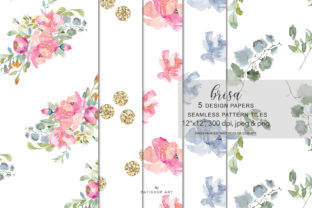
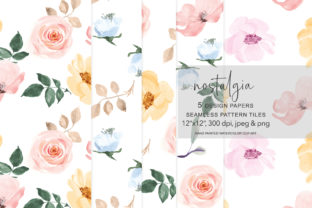
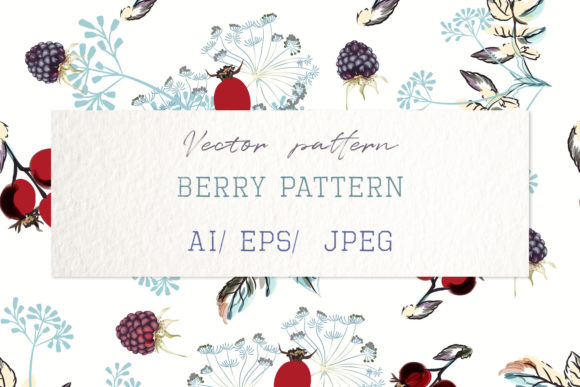
The Vector Flower Pattern Watercolor Berries brings a gentle, organic feel to any design layout. It features a botanical composition with flowing petals and subtle watercolor textures that give it a hand-painted appearance. The color palette is muted and earthy—perfect for nature-inspired themes. While it doesn’t scream boldness, it does exude charm and elegance. This makes it ideal for projects where a softer, more artistic touch is desired, such as sweatshirt embroidery, nursery decor, or holiday gifts.
Visually, the pattern feels cohesive without being overwhelming. Its shape is balanced and symmetrical, which is great for centerpieces on tote bags or pillow covers. The level of detail is just right—not too intricate that it becomes hard to stitch, but enough to add visual interest. For those who appreciate understated beauty, this file hits all the right notes.
Best Fit for Which Embroidery Projects?
I found that the Vector Flower Pattern Watercolor Berries works exceptionally well on larger surfaces. Think tote bag designs, aprons, or even blankets. The fluid lines and soft gradients really come alive when there’s room to breathe. It also looks stunning on custom apparel like unisex sweatshirts or light-weight hoodies, where the texture can be enhanced by the fabric’s drape.
For handmade product creators and Etsy sellers, this design adds a premium touch to items like kitchen towels or embroidered patches. When paired with minimalist fonts or small accents, it can elevate the overall look of a personalized gift or boutique item. I imagine it working beautifully on holiday-themed projects, particularly around Thanksgiving or Christmas, where natural elements are appreciated.
In terms of commercial embroidery, the design could be used for branding elements or store signage mockups. It’s not overly busy, so it fits well within brand identities that aim for a cozy, artisanal vibe. As a digital embroidery file, it’s also suitable for use in printable mockups or design assets for online shops, giving customers a realistic preview before purchasing.
Performance in Real-Life Stitching
When I tested the Vector Flower Pattern Watercolor Berries on a sample sweatshirt made from medium-weight cotton, I was impressed with how the colors held up after stitching. The stitch density is moderate, allowing for good coverage without causing puckering or distortion. That said, if you’re planning to use this on stretchy or thin fabrics, you’ll need to adjust the settings carefully.
One thing I noticed immediately was the importance of thread color contrast. Since the design uses pastel tones, it needs a background that complements them. On lighter-colored fabrics, the berries pop subtly; on darker ones, they tend to blend more. This means the design might not be as effective on black or navy garments unless you’re going for a more subdued look.
Also, while the fill stitches and running stitches are mostly consistent, there are areas near the stems and leaves where the stitch density increases slightly. These dense sections may require additional stabilizer to prevent shifting, especially if you're embroidering on woven or textured materials.
Where to Use It with Caution
- Small hoop sizes: The design is fairly large, so it won’t fit into tiny hoops without significant resizing. Resizing can distort the delicate curves and reduce clarity.
- Textured or stretchy fabrics: Without proper stabilizer, the watercolor effect might lose definition. Stretchy materials can also cause the fill stitches to pull unevenly.
- Dark fabric backgrounds: The soft hues don’t stand out as much against dark bases. Consider using white or cream threads to maintain visibility.
- Curved surfaces (like caps): The flow of the design is best suited for flat surfaces. If you do try it on curved areas, make sure to check the placement and tension after testing on scrap material.
- Frequent washing: Because of the detailed fill work, it's best suited for occasional-use items like decorative pillows or wall art rather than high-wear pieces like baby clothes or aprons.
Visual Appeal and Customer Reactions
What stands out about the Vector Flower Pattern Watercolor Berries is its ability to evoke a sense of calm and creativity. It has a very "maker-friendly" look, which appeals to crafters and small shop owners aiming to create unique, handcrafted items. From a customer perspective, this kind of pattern suggests thoughtfulness and quality. People are likely to gravitate toward products featuring it because it feels both personal and professional.
On handmade products, the design enhances the perceived value. Whether it’s a custom tote or a personalized baby blanket, the watercolor style gives it a bespoke feel. For craft business owners, this can mean better buyer engagement and higher perceived craftsmanship.
Professional Notes for Embroidery Designers
- Test on scrap fabric first: Especially if you're using a new machine or fabric type. Check for tension issues and how the design holds up after multiple passes.
- Review thread color contrast: Make sure the chosen thread colors will show up well against your fabric base. Sometimes, what looks good on the screen isn't always visible once stitched.
- Check stitch density: Look closely at the leaf edges and berry clusters. Dense areas should be manageable with the right stabilizer, but overstuffing can ruin the delicate look.
- Confirm hoop size: Don’t assume it will fit in every hoop. Always verify the recommended dimensions to avoid scaling problems.
- Inspect small details: The subtlety of the design relies on clean stitching. Any missed points or misaligned paths can affect the final outcome.
- Test in black and white mockups: This helps you see how the design functions without color. You might find it more useful than you expect for monochrome projects.
- Compare light and dark backgrounds: Try the design on both to determine where it shines and where it fades. This gives you more flexibility in product offerings.
- Use proper stabilizer: A tear-away or cut-away stabilizer is recommended for most applications, especially if the fabric is prone to stretching or pilling.
- Check licensing before selling: If you plan to sell finished items or digital embroidery files, confirm the licensing agreement allows for commercial use. This is crucial for craft fair products and Etsy listings.
Designing with Purpose: Brand Consistency and Giftability
For branding purposes, the Vector Flower Pattern Watercolor Berries offers a subtle way to incorporate nature-inspired motifs into your line of small shop products. It can help maintain a cohesive theme across different items—think matching aprons and pillow covers in a home goods collection. The softness of the design also makes it highly giftable. Whether it’s a custom baby cap or a holiday ornament, the pattern conveys warmth and care.
It’s also worth noting that this design can serve as a strong printable mockup asset. When showcasing your handmade product line online, the watercolor aesthetic can help set the tone and attract buyers who love natural, artisanal styles.
Final Thoughts
Overall, the Vector Flower Pattern Watercolor Berries is a reliable and attractive choice for many embroidery projects. It brings a fresh, artistic flair that’s perfect for personalized gifts, custom apparel, and handmade shop items. However, it’s important to consider the fabric type, hoop size, and thread choices carefully to ensure the best results.
If you’re an embroidery designer, apparel decorator, or creative entrepreneur, this file deserves a place in your collection—but treat it with the attention it needs. With some thoughtful preparation, it can become a standout element in your finished product lineup, adding both visual appeal and emotional resonance to your creations.