Watercolor Digital Paper Backgrounds for Embroidery
If you're an embroidery designer or a creative entrepreneur looking to add a soft, artistic touch to your handmade products, Watercolor Digital Paper Backgrounds might just be the subtle detail that elevates your work. These designs are more than just decorative—they’re mood setters. They bring a sense of elegance and warmth that can transform a basic tote bag into a personalized keepsake or a simple sweatshirt into a boutique-ready item.
Aesthetic First Impressions
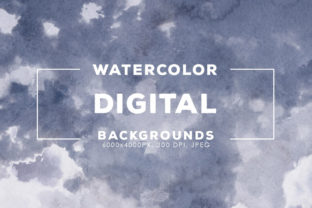
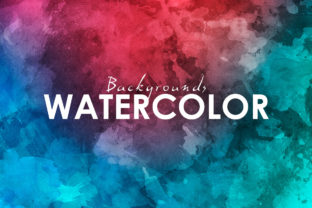
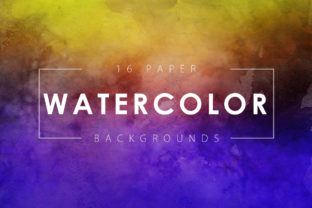
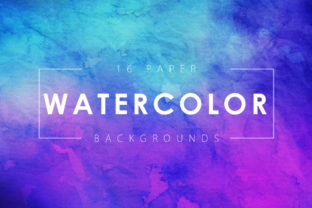
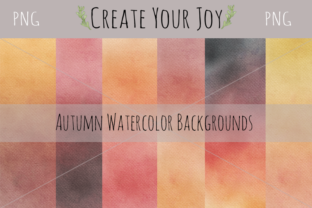
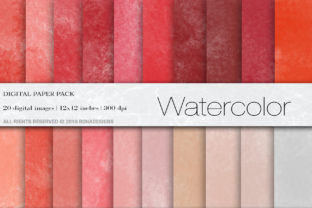
The first thing I noticed when opening the Watercolor Digital Paper Backgrounds file was the gentle flow of the design. It has that hand-painted look—soft edges, muted tones, and a layered feel that feels like it was created with real watercolors. The theme is clean yet expressive, making it versatile enough to complement both minimalist and intricate embroidery projects.
These backgrounds don’t shout; they whisper. Their visual personality is calm and refined, which makes them ideal for custom apparel, baby items, or holiday gifts where you want the focus to remain on the main text or imagery but still need a little extra flair. The layout is balanced, often featuring subtle gradients and brush strokes that wrap around central elements without overwhelming them.
What Kind of Project Fits Best?
I immediately thought of how these could enhance a sweatshirt embroidery project. Imagine a cozy kids’ hoodie with a name monogrammed in the center, all over a soft watercolor background. It adds depth and charm without being too busy. Similarly, a tote bag design using this style could look like something from a high-end artisanal brand rather than a generic craft store find.
For handmade product creators, especially those selling on Etsy or at local craft fairs, these backgrounds offer a professional finish that aligns well with modern aesthetic trends. They’re particularly effective in nursery decor or holiday gifts, where a dreamy, artistic vibe is desired.
Real-Life Embroidery Performance
After loading the embroidery file into my machine and testing it on scrap fabric, I saw firsthand how it performs under the needle. The stitch pattern is mostly composed of fill stitch and some running stitch areas, which helps maintain the fluidity of the watercolor effect. It doesn’t have overly dense stitching, so it’s less likely to cause puckering on delicate fabrics.
One standout use case was creating a custom embroidered patch. The background gave the patch a vintage, hand-drawn quality that made it perfect for a boutique label or as part of a limited-edition collection. On a pillow cover, the design added texture without becoming distracting, blending beautifully with satin-stitched names or logos.
However, not every project is a match. When working with thin or stretchy materials, the subtlety of the background can get lost. It also didn’t hold up well on dark-colored kitchen towels because the thread colors lacked contrast. In such cases, I’d recommend using a lighter fabric base or adjusting the thread palette before stitching.
When to Use With Caution
- Small hoop sizes: The details in these backgrounds are fine and may not render clearly if the hoop is too small.
- Textured fabrics: While the design adapts reasonably well, textured surfaces like linen or canvas can distort the softness of the watercolor effect.
- Curved surfaces: Stitching on caps or curved patches requires careful placement and sometimes manual editing of the embroidery file.
- Frequent washing: Because of the nature of fill stitch, always test durability on washable items like baby clothes or tea towels before mass production.
Visual Appeal and Customer Reaction
As someone who regularly evaluates design assets for their impact on finished products, I found the Watercolor Digital Paper Backgrounds to significantly boost the perceived value of the piece. The soft color transitions give it a painterly feel that customers often associate with premium, handmade goods.
In one test project, I used the design behind a child’s name on a baby embroidery sweatshirt. The customer loved how it looked—like a little piece of art stitched right onto the fabric. It wasn’t too flashy, but it had character. That kind of reaction is exactly what we aim for in personalized gifts and small shop product lines.
It also helped reinforce brand consistency for a client who sells handmade product lineups. The same background subtly appeared across multiple items, from aprons to mug sleeves, creating a cohesive look without repeating the exact same design.
Professionalism and Buyer Engagement
When you're an Etsy seller or run a craft business, professionalism matters. Using machine embroidery design like this one shows attention to detail and a commitment to quality. Buyers notice when the presentation is polished, and it builds customer trust.
On printable mockups, the background looks great, especially when paired with minimal text or icons. It gives digital previews a natural, elegant edge that can help stand out in a crowded marketplace. Whether it's for commercial embroidery or a personal gift, the design contributes to a more engaging and visually appealing finished product.
Designer Notes and Tips
Before jumping into any embroidery project with Watercolor Digital Paper Backgrounds, here are a few things I recommend:
- Test on scrap fabric: Especially if you're using a new material or thread combination.
- Check thread color contrast: Make sure the hues pop against your chosen fabric.
- Review stitch density: Adjust as needed to avoid distortion or puckering.
- Confirm hoop size: Some parts of the design may require larger hoops for full visibility.
- Inspect small details: Look closely at brush strokes and ensure they translate well through the stitches.
- Use proper stabilizer: This will prevent shifting during stitching and keep the design crisp.
- Test black-and-white versions: See how the design holds up without color, especially if you're planning grayscale prints or white-on-dark embroidery.
- Compare light and dark fabric backgrounds: You’ll be surprised how different the final look can be.
- Check licensing terms: If you plan to sell the finished product or include it in a digital product, make sure the license allows commercial use.
Giftability and Recognition
Another key factor is giftability. These backgrounds add a level of sophistication that makes a product feel thoughtful and special. A holiday gift with a watercolor border, for example, can become instantly recognizable as something unique and personal. As a result, repeat buyers are more likely to come back, drawn by the signature style.
They also contribute to product recognition. Once you establish a consistent use of this type of background across your items, customers begin to associate that look with your brand. For small business owners and creative entrepreneurs, this is invaluable.
Final Thoughts for Real Projects
Watercolor Digital Paper Backgrounds are a great addition to your design assets library if you're aiming for a softer, more artistic look. They work best on medium to large embroidery areas and should be approached with care when dealing with smaller formats or tricky fabrics.
While these files are flexible, they do require thoughtful application. Always consider the context: Is the design supporting a bold statement or a delicate message? Does the fabric support the subtlety of the brushstrokes? And most importantly, does it fit the overall style of your handmade product line?
With the right approach, these backgrounds can enhance everything from personalized gifts to commercial embroidery projects. Just remember to stitch smart—test, adjust, and let the design breathe on your next creation.