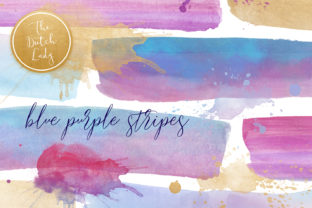
Watercolor Stripe Clipart for Crafts Projects
As a designer who regularly works on branding, packaging, and marketing visuals, I always look for design assets that bring character and cohesion to a project. Watercolor Stripe Clipart is one such asset that offers a soft, artistic touch ideal for creative design and handmade businesses. Its gentle, hand-drawn aesthetic makes it perfect for small business branding, Etsy products, and print-on-demand items.
First Impressions and Visual Mood
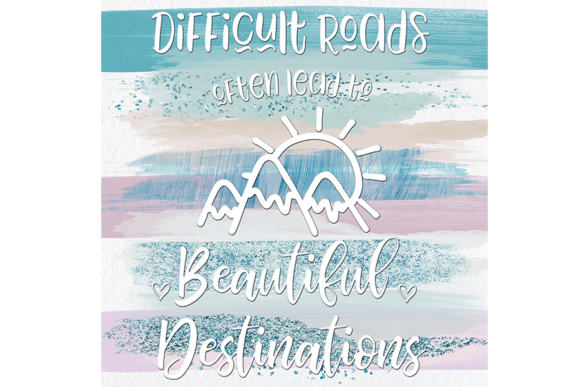
Watercolor Stripe Clipart immediately evokes a sense of warmth and creativity. The subtle texture and organic lines suggest a handmade or artisanal approach, making it an excellent choice for brands that want to communicate authenticity and craftsmanship. It feels like a natural fit for crafts, printable designs, and digital products that aim to feel personal and unique.
The design has a delicate balance between structure and fluidity. The stripes are not rigid but have a soft, painterly quality that adds visual interest without overwhelming the composition. This makes it versatile enough to work in both modern and traditional design contexts.
Real-World Design Applications
When working on a client project for a boutique stationery brand, I found that Watercolor Stripe Clipart was incredibly useful for creating a cohesive visual language. It worked well as a background element in packaging design, a decorative accent in social media graphics, and even as part of a Canva template for a seasonal campaign.
It also proved effective in t-shirt design and sticker design, where its watercolor texture added a tactile, handcrafted feel. For a local event flyer, I used it as a border element, which helped elevate the overall look and feel of the piece without competing with the main message.
Where It Excels
Watercolor Stripe Clipart shines in large layout areas, hero graphics, and product mockups. It’s especially useful for themed collections, campaign visuals, and packaging details where a soft, artistic touch can enhance the storytelling aspect of the design.
For printable wall art and digital ads, it adds a layer of sophistication that feels fresh and contemporary. When paired with a handwritten font or a script font, it creates a visually appealing contrast that draws attention without being too busy.
Where to Use With Caution
While Watercolor Stripe Clipart is beautiful, it may not be the best choice for minimalist branding or professional corporate materials. In small sizes or crowded layouts, the detail can become lost or appear cluttered. It also doesn’t work well on complex backgrounds or in low-contrast designs where readability is key.
If you're working on a logo design or a commercial design that requires a clean, structured look, this clipart might not be the right fit. It’s better suited for projects that benefit from a more expressive, artistic style rather than a strictly functional one.
Impact on Design Quality
One of the most important aspects of any graphic design asset is how it contributes to the overall impression of a project. Watercolor Stripe Clipart enhances emotional appeal and audience engagement by adding a human, artistic touch. It helps build visual trust and recognition, especially for brands that want to feel approachable and authentic.
However, it’s essential to consider how it affects visual hierarchy. If overused, it can distract from the main message or make the design feel less professional. The key is to use it strategically—either as a supporting element or as a focal point in a carefully balanced composition.
Practical Designer Notes
Before using Watercolor Stripe Clipart for a client project, I always test it in black and white to see how it holds up without color. It’s also important to check contrast on light and dark backgrounds to ensure it remains visible and readable.
Previewing it at different sizes is crucial. At small sizes, the details may not be as clear, so it’s best to avoid using it in places where fine details matter. Placing it on real mockups helps visualize how it will look in the final product, whether it's a t-shirt design, product label, or website graphic.
Testing print quality is another step I never skip. If the asset is intended for sublimation design or print-on-demand, ensuring that the colors and textures translate well to physical materials is essential. Checking file formats, especially PNG transparency and SVG editability, ensures that the asset is usable across different platforms and applications.
Commercial Use and Licensing
When working with a client, I always confirm the commercial license before using any design asset. Watercolor Stripe Clipart is a great example of a digital product that can be used in a variety of commercial design projects, including Etsy products, print-on-demand items, and branding materials.
It’s also worth comparing it with other fonts and design elements to see how it interacts with different styles. For instance, pairing it with a sans serif font can create a modern, balanced look, while a display font might add more personality and flair.
Final Thoughts
Watercolor Stripe Clipart is a valuable addition to any designer’s toolkit, especially for those working on handmade businesses, small business branding, or creative marketplace projects. Its soft, artistic vibe makes it ideal for projects that require a warm, inviting aesthetic.
Whether you're working on a Cricut project, a Canva template, or a product mockup, this clipart can help elevate your design and give it a more polished, cohesive feel. Just remember to use it thoughtfully and test it thoroughly before applying it to a client project.